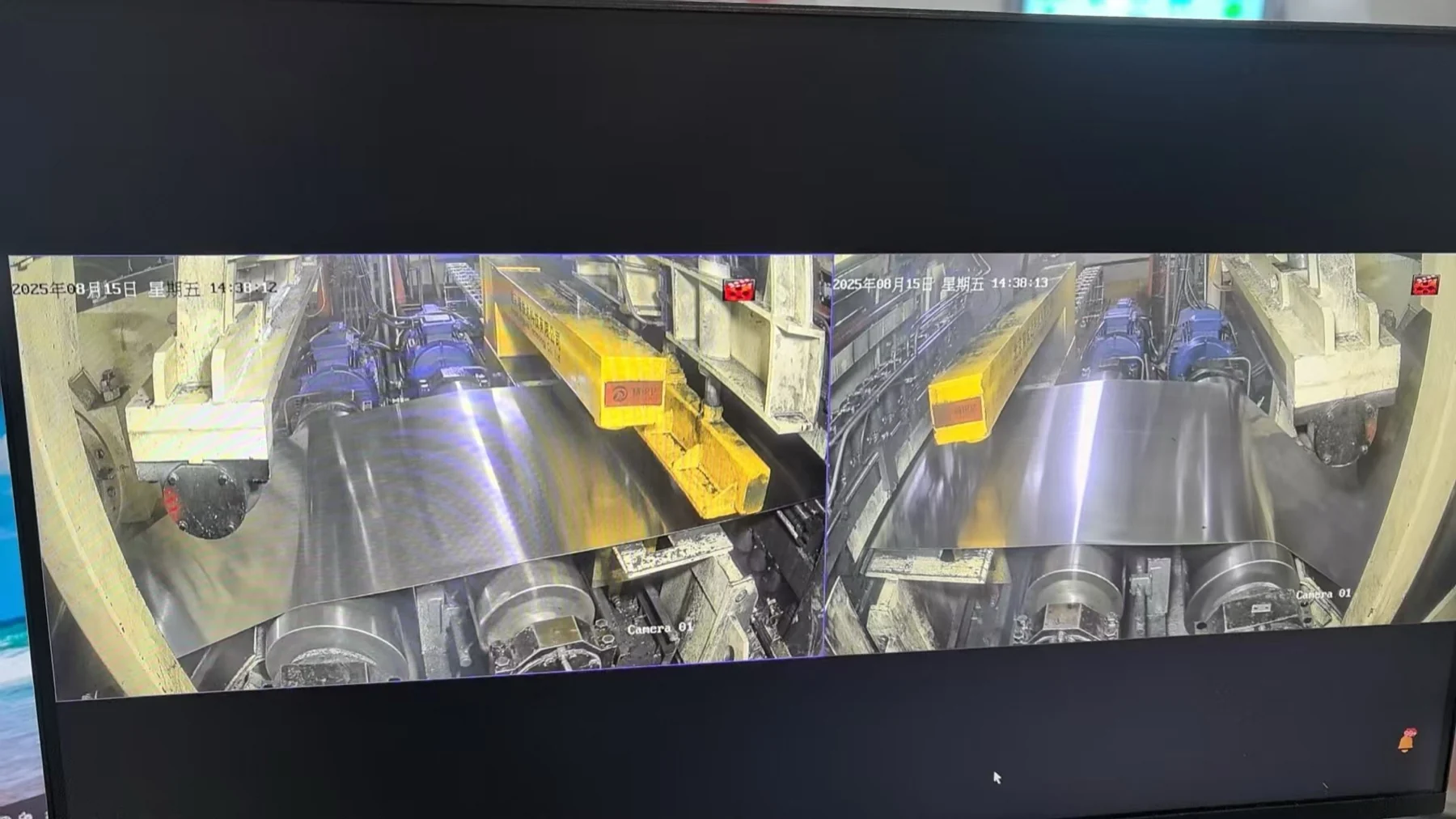
Processing Line / Pickling Line
Pickling Line
Pickling line design connects acid concentration, scale condition, rinsing control, strip tension, drying capacity, and downstream coil processing quality.
ScaleRemoval control
AcidCirculation strategy
RinseCarryover control
InlineAutomation ready
Process design
Pickling quality depends on scale condition, acid action, rinsing, and line stability.
A pickling line must be configured around hot rolled strip condition, surface target, acid system, tank length, circulation flow, rinsing performance, fume collection, and downstream rolling or slitting requirements.
- Scale removal and surface activation before cold rolling, strip cleaning, tension leveling, or slitting.
- Acid circulation, temperature control, spray/rinse sections, drying, and exhaust treatment.
- Strip steering, tension control, speed synchronization, and safety interlocks for continuous operation.
- Automation control for recipe data, acid concentration, alarms, and production tracking.
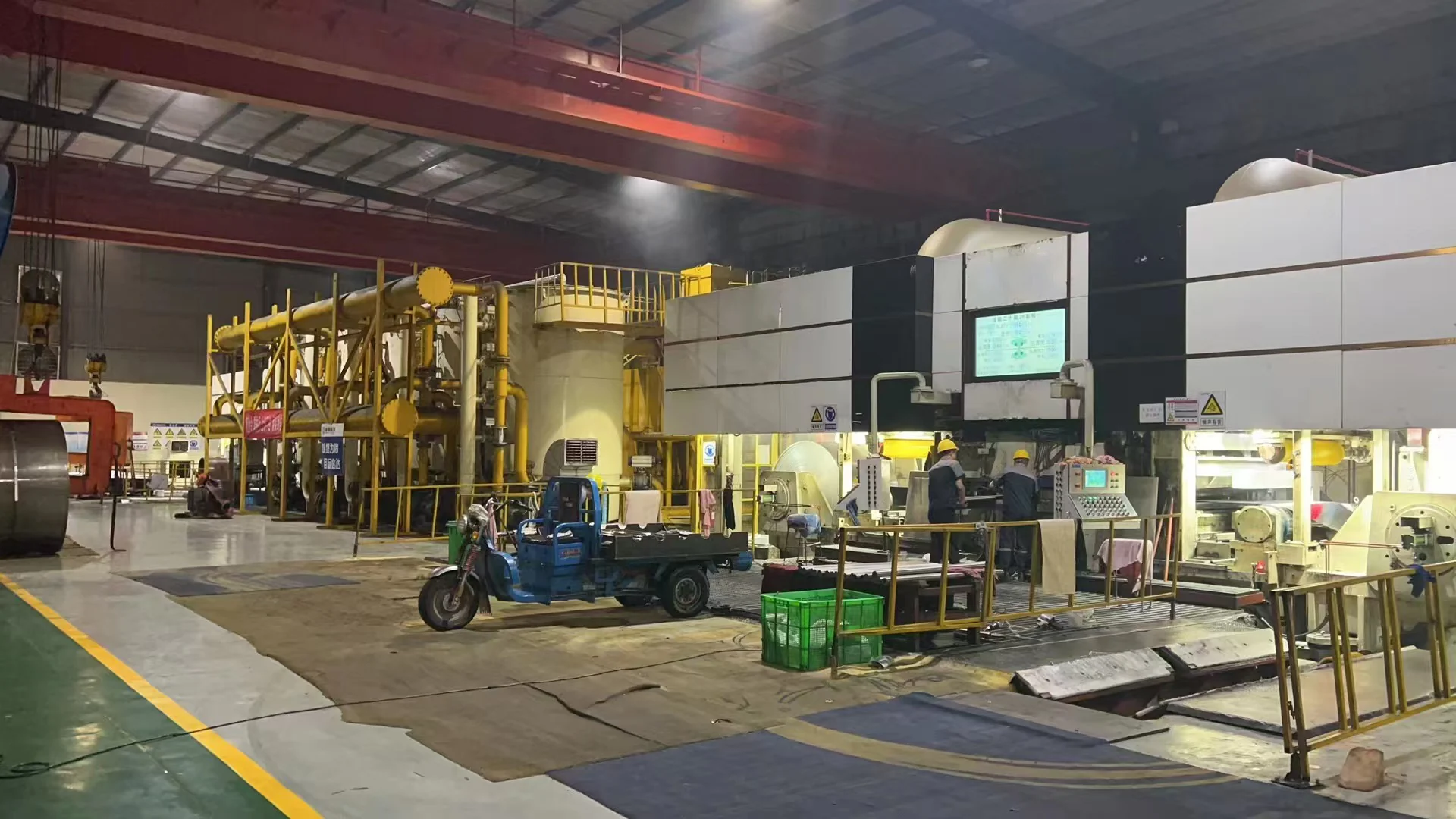
Pickling checkpoints.
| Process point | Key inputs | Control focus | Production result |
|---|---|---|---|
| Scale removal | Scale thickness, steel grade, strip temperature history | Acid concentration, dwell time, circulation, temperature | Clean surface and reduced downstream defects |
| Rinsing control | Acid carryover, strip speed, water quality | Spray pressure, cascade rinsing, conductivity monitoring | Lower residue and fewer surface stains |
| Strip stability | Width, thickness, coil weight, line speed | Tension zones, steering, bridle arrangement, tracking | Stable threading and fewer scratches |
| Automation control | Recipe data, acid data, alarms, production records | PLC/HMI, data tracking, interlocks, diagnostics | Repeatable operation and easier optimization |
Final pickling line specification depends on strip grade, scale condition, acid system, surface requirement, environmental control, and downstream coil processing route.